Hospice Care vs. End-of-Life Care: What's the Difference?
Hospice and end-of-life care are not the same thing. Here's how they differ, how they work together, and what Santa Fe Mobile MD provides.
The terms "hospice" and "end-of-life care" get used interchangeably, but they describe different, often overlapping, things.
If you're trying to figure out what kind of support you or a loved one needs, here's the distinction, and how Santa Fe Mobile MD's end-of-life care fits alongside both.
The Core Difference
A Specific Benefit
A formally defined benefit with an interdisciplinary team, generally for a prognosis of six months or less, focused on comfort rather than cure.
A Broader Term
Support and medical guidance surrounding death — can begin well before hospice eligibility, during months of chronic illness.
How Santa Fe Mobile MD Fits In
What This Can Include
- Ketamine therapy to help with end-of-life anxiety and pain
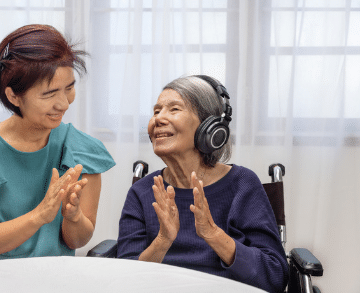
- Harmony and Healing bedside music and songwriting support
- Guidance around voluntarily stopping eating and drinking (VSED)
- Consultations around Medical Aid in Dying (MAID)
You Can Have Both
If you already work with a hospice team, a primary care doctor, or an oncologist, you can absolutely continue seeing them alongside us. We are here to provide an additional listening ear and help you navigate and manage the situation, not to replace relationships you already trust.
Signs It Might Be Time for These Conversations
- Frequent hospitalizations
- A new or worsening terminal diagnosis
- A loved one who seems to be declining despite treatment
- A nagging sense that "we should talk about what happens next"
You do not need a doctor's referral or a specific prognosis to reach out.
Recommended Reading
Being Mortal
By Atul Gawande — explores the limitations of modern medicine and advocates for prioritizing quality of life over mere survival.
A Beginner's Guide to the End
By BJ Miller and Shoshana Berger — practical advice from legal considerations to emotional support.
Common Questions
If I meet with you, can I still see my primary care doctor, oncologist, or hospice doctor?
Yes. You should see and maintain relationships with whomever you feel is appropriate. We are there to provide a listening ear and help you navigate and manage the situation.
What is the cost for medical guidance and goals-of-care discussions?
These are billed at our usual rates for house calls and phone visits. See our fee schedule for current pricing.
Do I need a terminal diagnosis to start these conversations?
No, many patients benefit from goals-of-care conversations well before a terminal diagnosis, especially those managing serious chronic illness.
What is VSED?
Voluntarily stopping eating and drinking is one option some patients consider near the end of life; our team can discuss what this involves as part of a broader conversation about your goals.
Can you help us find a hospice if we don't already have one?
Yes, we work closely with hospices across the state and can help facilitate that connection if and when it becomes appropriate.
What if family members disagree about the best path forward?
This is common, and part of our role is to help facilitate that conversation calmly, focusing on the patient's own wishes as the guide.
Navigating a Serious or Terminal Diagnosis?
Schedule a conversation with our end-of-life care team, alongside the care team you already trust.